SpaceX has launched 60 Starlink satellites in record 10th liftoff

SpaceX has launched 60 Starlink satellites in record 10th liftoff

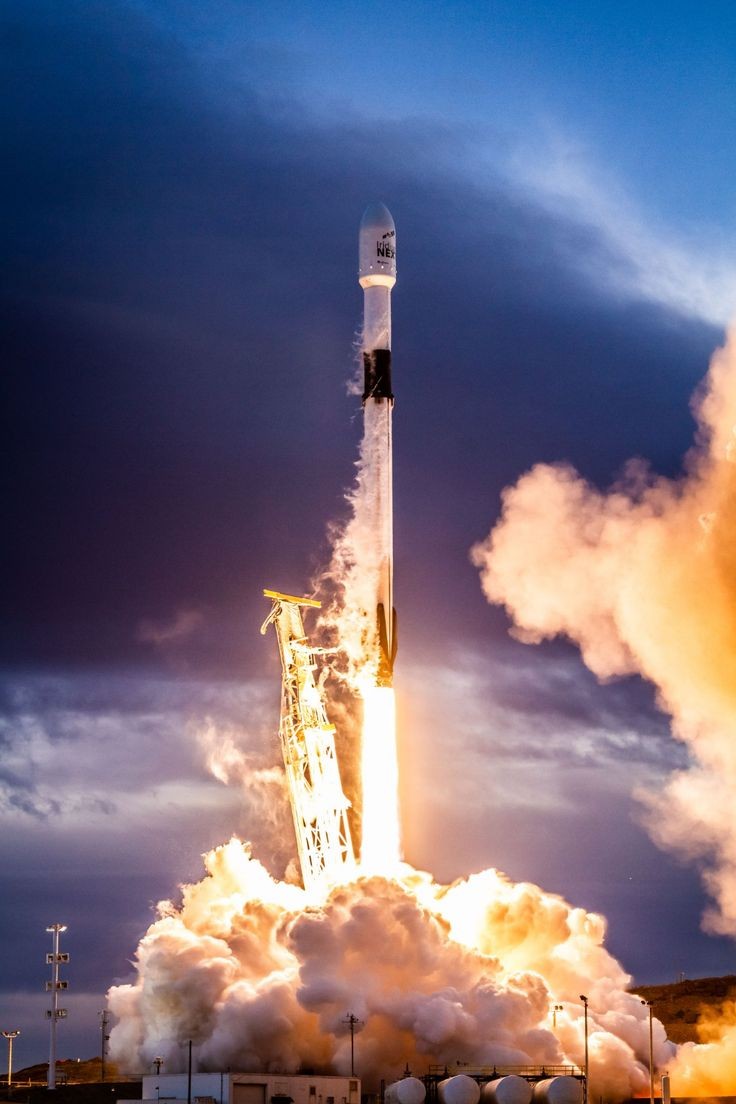
A SpaceX Falcon 9 rocket on May 9, 2021, launched 60 Starlink internet satellites into orbit early and then landed at sea to record the 10th flight for the company’s reusable booster.

The Falcon 9 rocket took off at 2.42 am EDT from Space Launch Complex 40 at Cape Canaveral Space Force Station.

https://twitter.com/SpaceX/status/1391298872895414272?s=19

SpaceX CEO Elon Musk tweeted ““First time a Falcon rocket booster will reach double digits in flights”

The SpaceX supply chain supervisor Michael Andrews during a live webcast informed that SpaceX’s first reuse of an orbital class rocket was on the SES-10 mission way back in March of 2017.

Approximately nine minutes after liftoff, the rocket’s first stage returned to Earth, touching down on SpaceX’s drone ship “Just Read the Instructions” for a record 10th successful landing. 

Onlookers were treated to quite the spectacle as the rocket lit up the pre-dawn sky as it climbed to orbit. Clear skies above Florida’s Space Coast made for prime viewing conditions. 

NOW LETS KNOW SOMETHING INTERESTING ABOUT FALCON 9 ROCKETS.

•Falcon 9 rocket has been designed and manufactured by SpaceX, an American aerospace manufacturer and space transportation services company owned by Elon Musk.

•Falcon 9 rocket is the world’s first orbital-class two-stage, a reusable rocket built to transport people and supplies into Earth orbit and beyond.
STARLINK CONSTELLATION

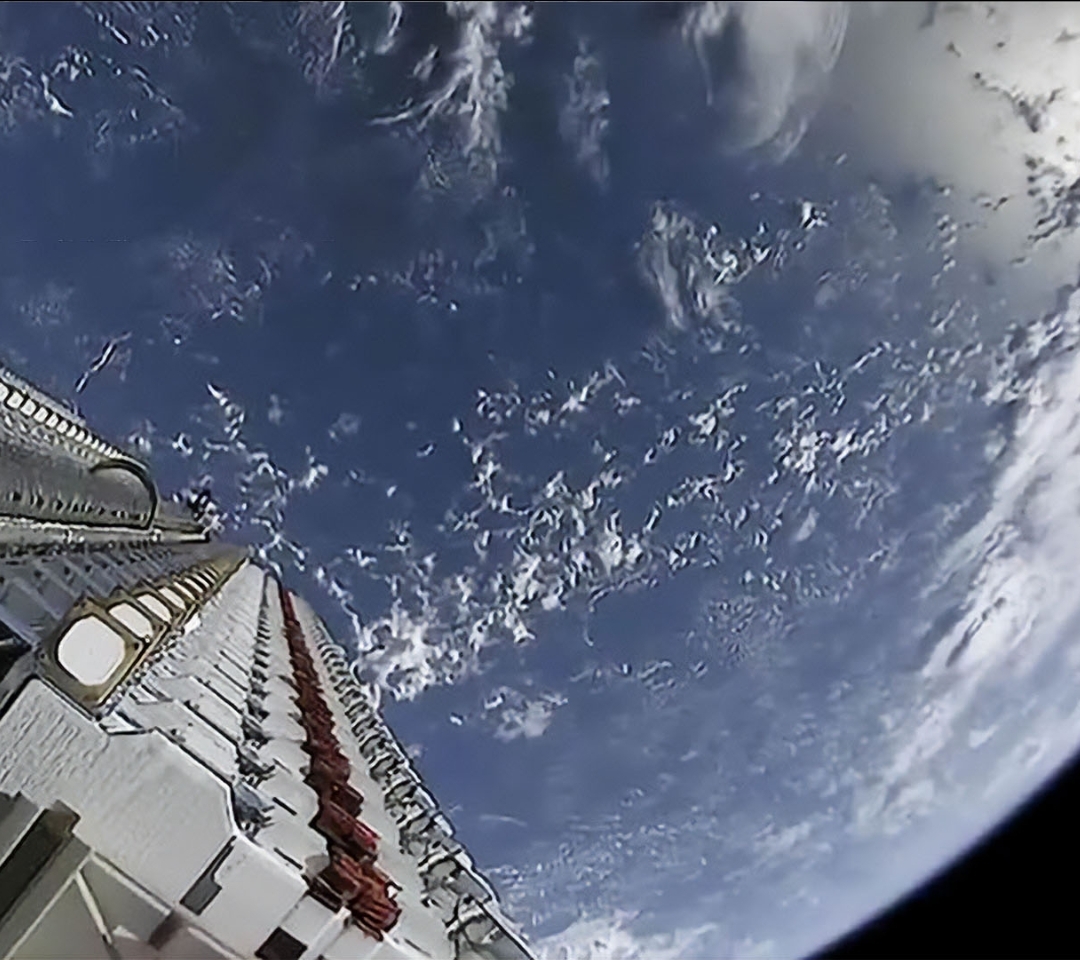
SpaceX created its massive internet constellation with one major goal: to provide internet coverage to the world, in particular to those in remote and rural areas. To that end, company engineers designed a fleet of flat-paneled broadband satellites to fly over the Earth, beaming down internet coverage to users who can access the service via a compact user terminal.

With Sunday’s launch success, SpaceX has launched more than 1,600 Starlink satellites into orbit, including some that are no longer operational.

The cost of the decade-long project to design, build, and deploy the constellation was estimated by SpaceX in May 2018 to be at least US$10 billion.

Currently, Starlink is still in its beta-testing phase with users around the world putting the service through its paces. The company has also opened up its website to begin taking preorders, although service won’t begin right away. Prospective users can go to the company’s website and reserve the service with a $99 deposit right now.

During beta, users can expect to see data speeds vary from 50Mb/s to 150Mb/s and latency from 20ms to 40ms in most locations over the next several months as we enhance the Starlink system. There will also be brief periods of no connectivity at all.

So, are you going to use the Starlink as your internet service provider.

If Yes, what are your expectations from it, and if no, why?

What are the special categories on which you will decide the usability of Starlink satellites

What are your opinions about it’s success in Indian?

What other ideas can you add to this that I may not have mentioned?

If you enjoyed this blog post, share it with a friend.

What kind of content would you like to see on the blog?
FEASIBILITY OF ELECTRIC VEHICLES IN INDIA.

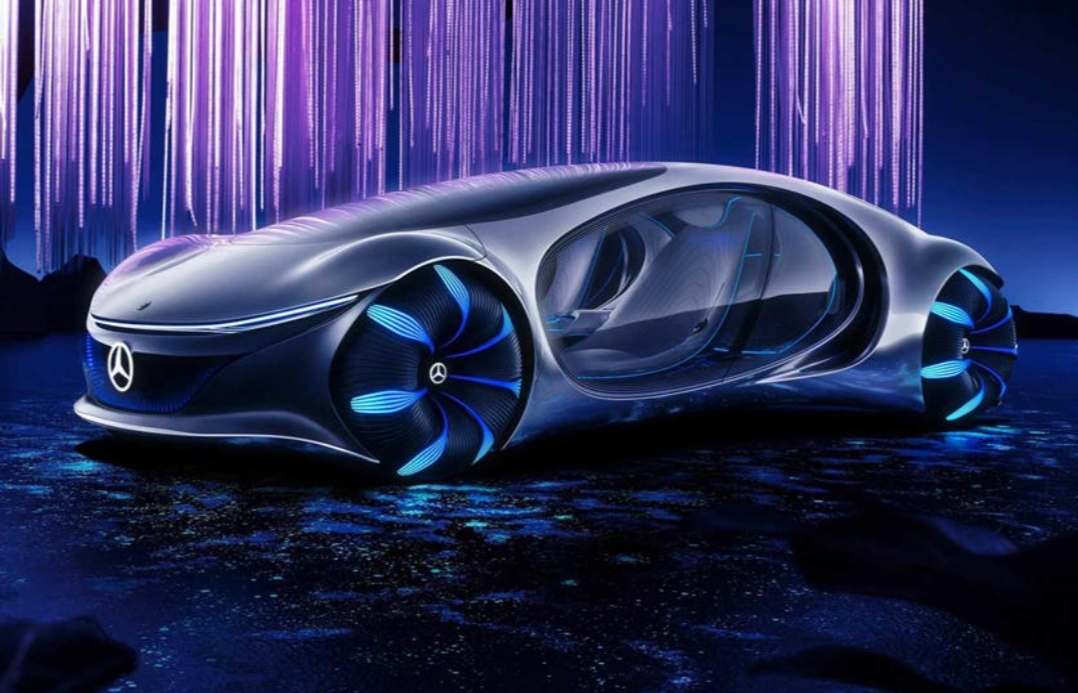
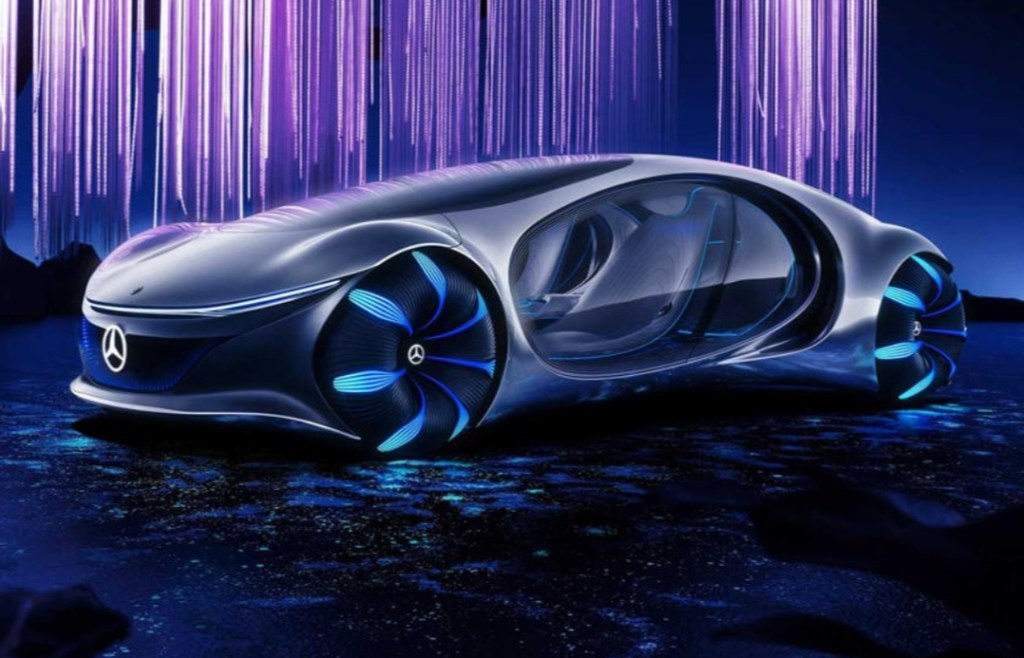
Mercedes Benz vision avatar

The Electric vehicle market is expected to witness a phenomenal growth in the coming years. Increasing rise in pollution level and increase government support will boost the adoption of electric vehicles in India.

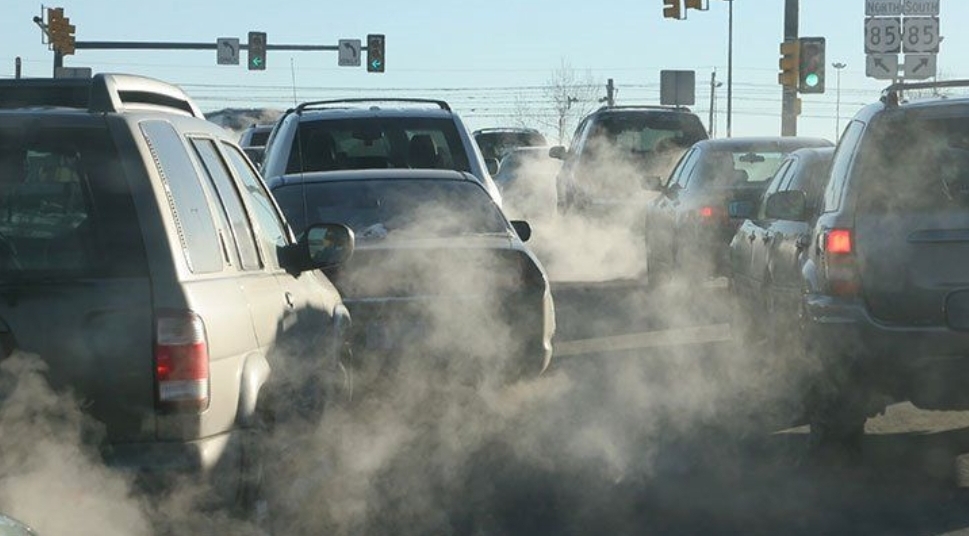
In India, the transport sector emits an estimated 261 Tg of Carbon dioxide, of which 94.5% is contributed by road transport. This pollution has a concrete effect on the saily life of citizens

Vehicles releasing co2 gas

There is no simple answer to the problem of air pollution. A situation as bad as India’s must be addressed in a holistic manner. One obvious solution to this problem is reducing the amount of co2 emissions form traditional vehicles by encouraging the use of electric vehicles.

However, while the idea of electric vehicles sounds enticing but in reality EVs come with fair share of concerns. The biggest problem of EVs is the electric supply required to run the vehicle that is when this electric vehicles become widely used, it would require an unprecedented amount of electricity. By 2040, global electricity consumption from EVs is estimated to grow to 1800 Twh. This would result in an extra 510 megatons of carbon emissions coming from the electricity sector worldwide.

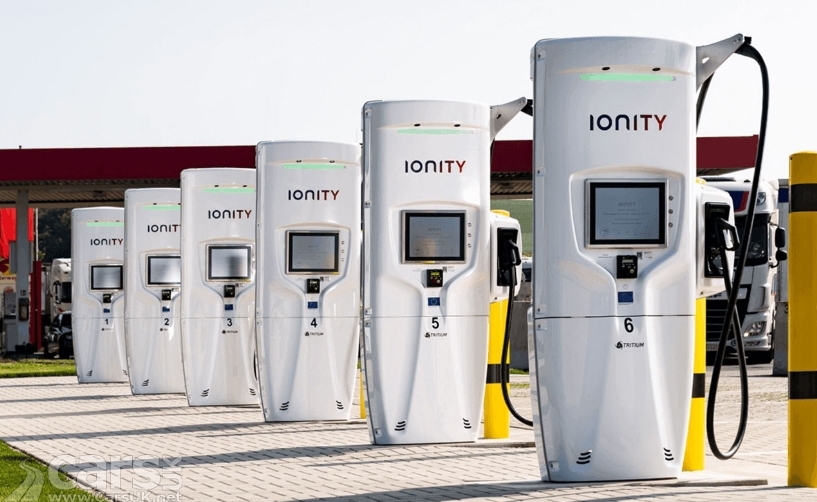
Electric vehicle charging station
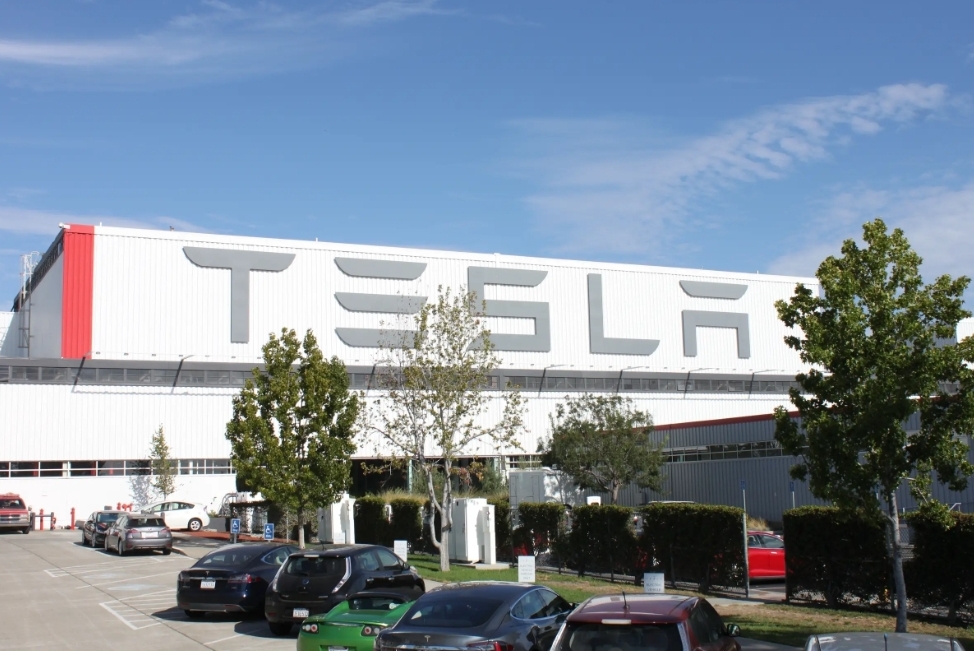
Tesla factory at Fremont, California

Currently, India is heavily dependent on coal as primary source of energy. Despjte of some efforts by the government to promote renewable sources- a plan to install 175 GW of renewable energy by 2022- India still would depend on coal for almost 48% of its energy requirements by 2040.

Another huge problem is if the country’s electricity grid will be able to handle a future in which electric vehicles are widespread in the country. India would need to modernize its power grids and substations to handle the power requirements of the electric vehicles. One of the solution woud be overnight slow charging. But to have a fully functional EV future India must improve its power supply system so that charging stations can be set up everywhere in the country.

Another problem in India is that there are traffic rules bt majority of the population don’t follow them and the condition of roads is awful. And, since in the future most of the electric cars will be self driving or will have drive assist it will be impossible for the cars to drive itself in such conditions. So India first needs to develop its roads, power grids and set up charging stations.

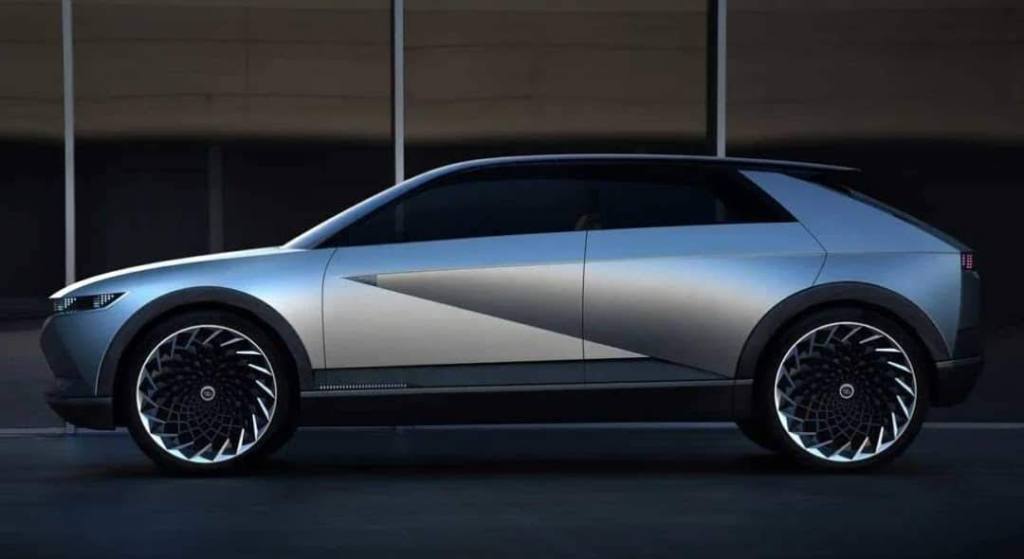
Hyundai 45 concept

Finally, while EVs when implemented properly do have there own environmental benefits. But to implement the EVs properly India has to make various changes in its system like increasing the efficiency of the power grids for proper electricity production, improvement in its road conditions and decreasing the dependency on coal.

Porsche Taycan

Atlast, the EV industry in its current stage is far from ideal and currently India is not in a condition to implement the Electric vehicle industry in full fledge. But in the coming future there will be a tremendous growth in the EV market.

What other ideas can you add to this that I may not have mentioned?

If you enjoyed this blog post, share it with a friend.

What kind of content would you like to see on the blog?
TESLA- Pioneer of the EV market

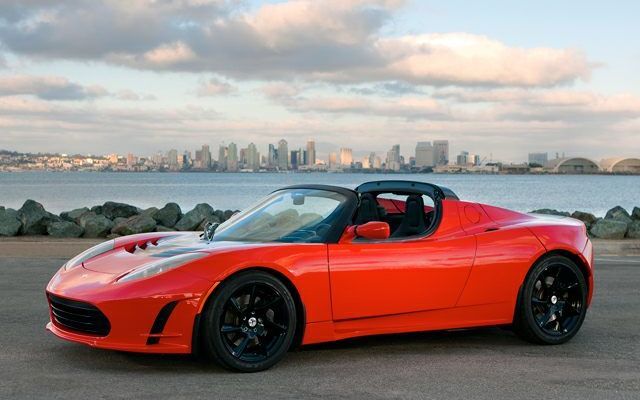
In the present world where all the automobile manufacturers are switching from traditional vehicles to electric vehicles, Tesla has already been manufacturing electric vehicles since 2008 when there first electric vehicle the Tesla Roadster was launched.

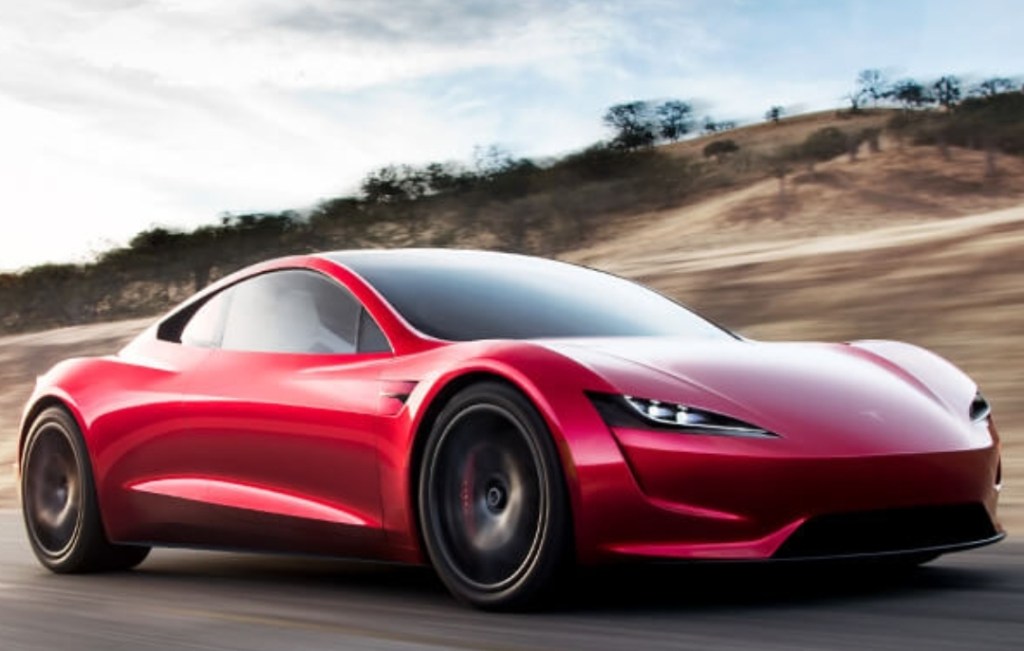
This is the iconic Tesla roadster(2008)

Tesla, Inc. is an American electric vehicle and clean energy company. It specializes in electric vehicle manufacturing, battery energy storage from home and grid scale and through it’s acquisition of solarcity, solar panel and solar roof manufacturing. The company was established in the year 2003 by Martin Eberhard and Marc Tarpenning with 98% of the initial funds being provided by Chairman of the Board Elon Musk. Currently Tesla is owned by Elon Musk who owns 21.7% of the company and he is also the CEO of the company. Currently Tesla is the largest electric vehicle manufacturer in the entire world. In the year 2019 Tesla had produced 367,500 vehicles which generated a revenue of $24.57 billion.

Currently Tesla has 6 cars, but has ony 4 cars in production.

The cars in production are :-

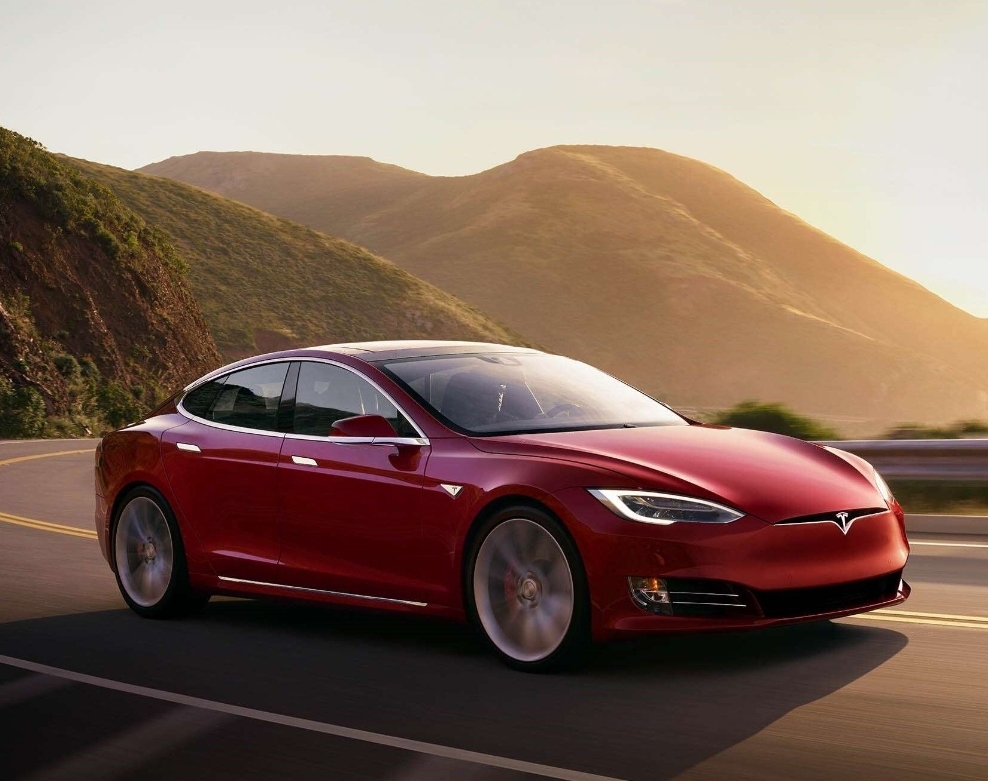
The Model S
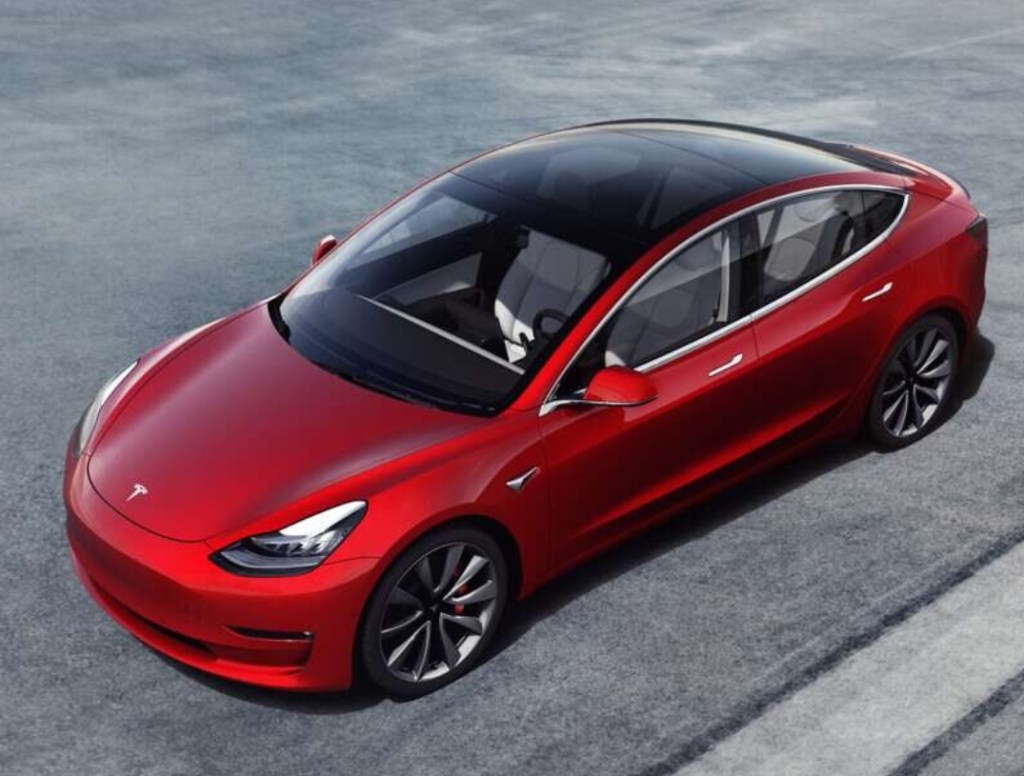
The Model 3
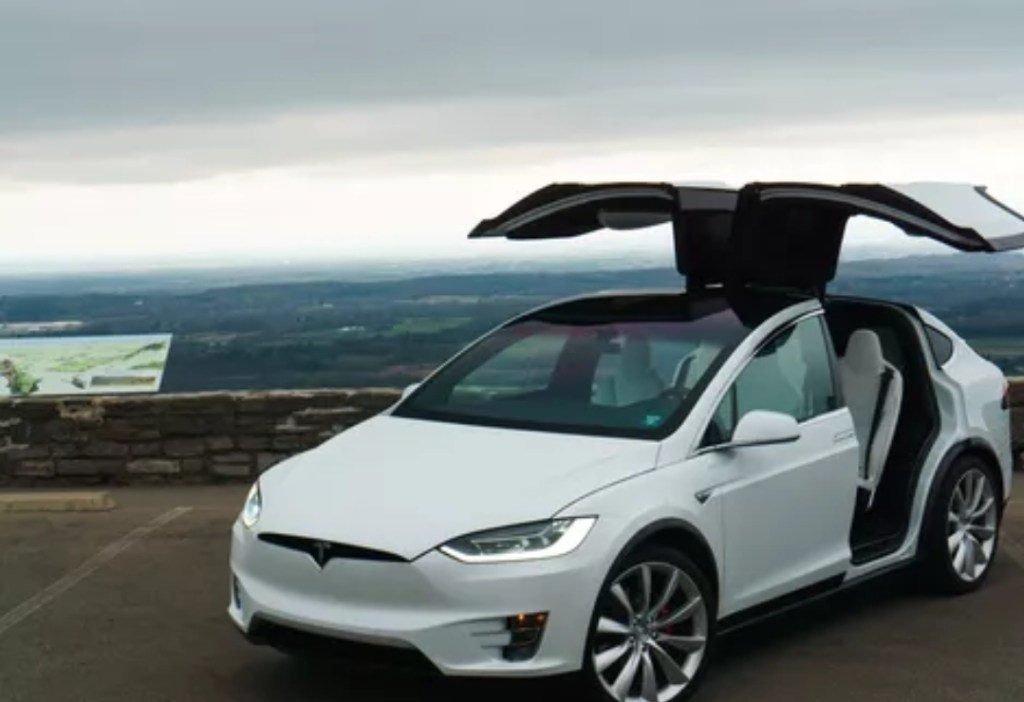
The Model X
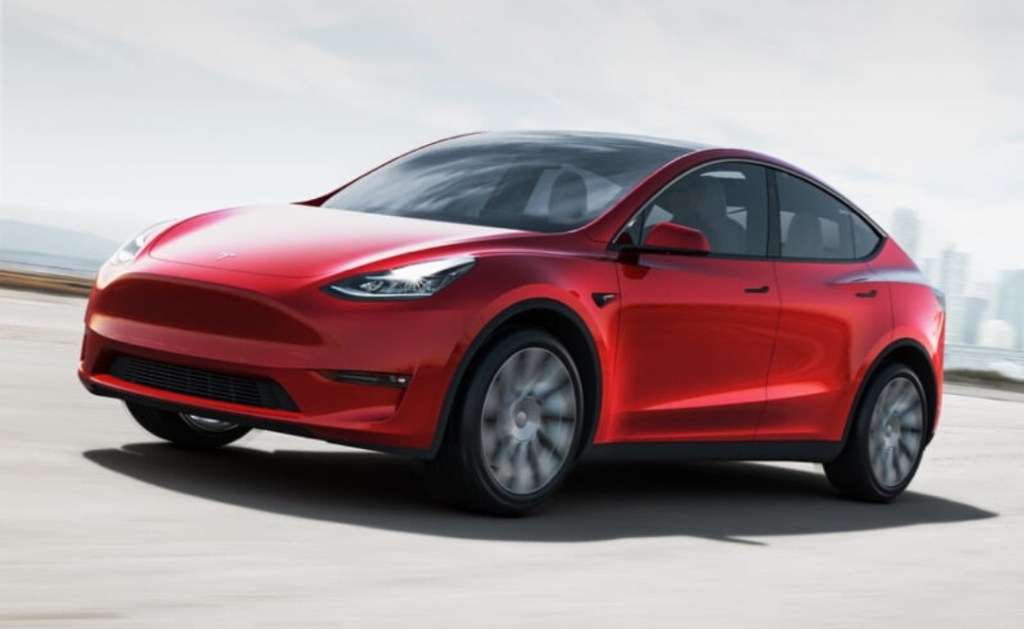
The Model Y

The car that will be in production very soon are:-

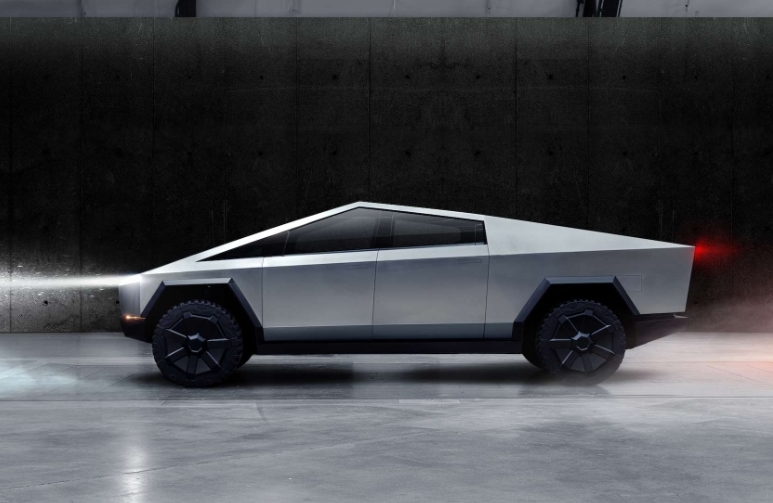
The Cybertruck
The Roadster

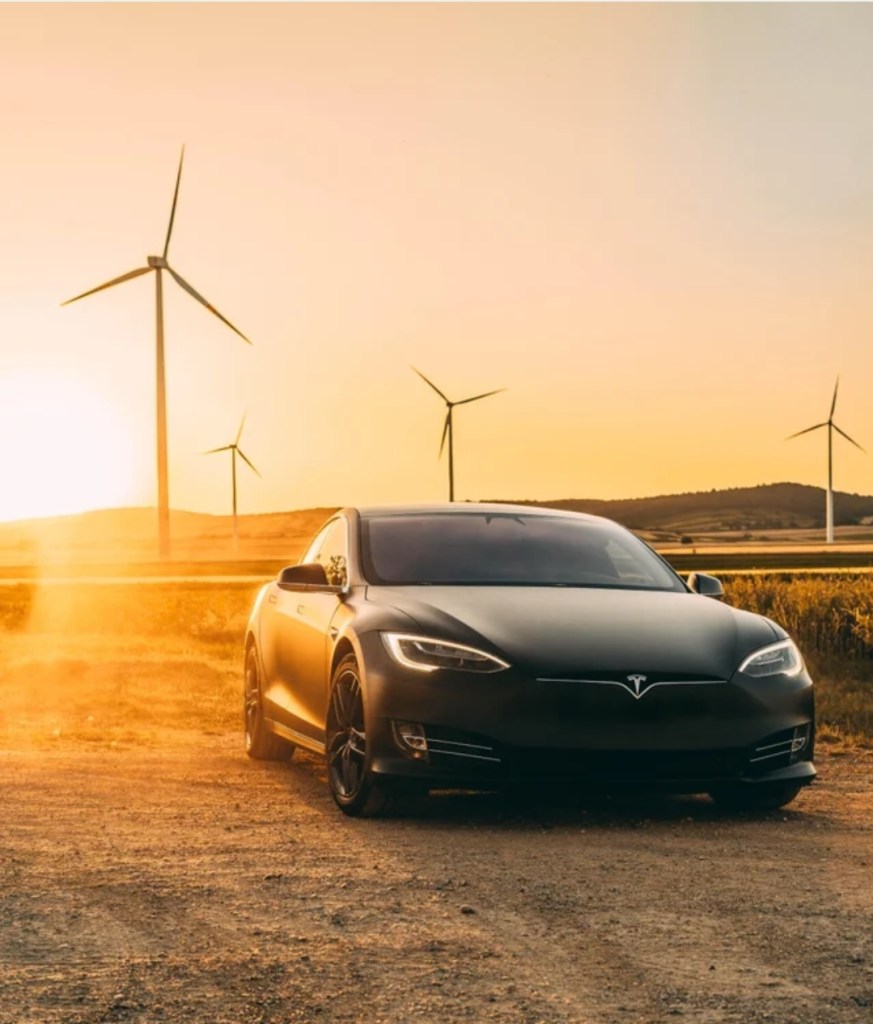
TESLA MODEL S :- The Tesla model S is the first family car of Tesla. It is an all electric five door sedan. The car was first introduced by Tesla on 22nd of June, 2012. When fully charged the car gives a range of 391 mi or 630 km. It can do 0-60 mph in just 2.4s. And has a top speed of 163mph or 262kmph. And it’s price ranges from $79,990 to 99,990.

TESLA MODEL 3:- Tesla model 3 is the cheapest Tesla. It is aa all electric four door sedan. The car was first brought into production on 7th of July, 2017. When fully charged it gives a range of 322 mi or 518 km. It can do 0-60mph in just 3.2 seconds. And has a top speed of 162mph or 260 kmph. And the base model comes with a price tag of $39,990.

TESLA MODEL Y:- The Tesla model Y is all electric compact crossover utility vehicle. The vehicle was first introduced by Tesla in the month of March of 2019. And it’s production has started in at the Fremont Plant in January 2020. It is a 7 seater car with all glass roof. When fully charged the vehicle gives a range of 316mi or 525 km. It can do 0-60mph in just 3.5 seconds. Currently it’s price ranges from $52,990 to $60,990.

TESLA MODEL X:- The Tesla model X is aa all electric mid size luxury SUV made by Tesla. The car was first brought into production in 2015. The is known for unique fatcon wing doors instead of traditional automotive doors. When fully charged it gives a range of 351mi or 565km. The car can do 0-60mph in just 2.7 seconds. It is also the quickest SUV available in the market. It is also the safest vehicle available in the market. And the price tag of this vehicle starts from $84,990 to $104,990

TESLA CYBERTRUCK:- The Tesla Cybertruck is an all electric light commercial vehicle or a pickup truck. It is currently been developed by Tesla. The Cybertruck was unveiled on 21 November 2019. The vehicle features a very unique design and looks like a spaceship. It is built with an exterior shell made for ultimate durability and passenger protection. It can do 0-60mph in less than 2.9 seconds. And when fully charged it gives a range of 500mi or 805 km approximately. And yhe price of this vehicle starts from $39,900 to $69,900.

TESLA ROADSTER:- The Tesla Roadster is a concept all electric four seater sports car made by Tesla, Inc. It was first announced in November 2017. And will be in production in the late 2020. With a full charge it can give a range of 620mi or 1000km. It can do 0-60mph in just ‘mind blowing’ 1.9 seconds. And will have a top speed of 250 mph or 400 kmph. It will be priced at $200,000 approximately.

Currently Tesla has around 16000 superchargers around the globe, with 6 new supercharges opening every week. Tesla’s mission is to accelarate the world’s transition to sustainble energy. Tesla believes the faster the world stops relying on unsustainable energy and moves towards a zero emissions future, the better. And for this Tesla is not only manufacturing electric cars but also making solar roofs, powerwall and powerpack for homeowners, businesses to manage renewable energy generation, storage and consumption. Tesla has also created a plant called Gigafactory-1 which has been designed to reduce battery cell costs by bringing the cell production inhouse and this has also helped to create thousands of job opportunities. TESLA’S main aim is to create a clean and green future.

“If you have a great solar roof, and you have a battery pack in your house, and you have an electric car, that scales worldwide. You can solve the whole energy equation with that.”-ELON MUSK

What other ideas can you add to this that I may not have mentioned?

If you enjoyed this blog post, share it with a friend.

What kind of content would you like to see on the blog?
International vs Indian Electric Automobile market

In this modern age it has become essential for each and everyone to own a set of wheels it may be a car or a motorbike. And this has brought a great ease for us in complition of our daily chores.

But this effortlessness has come with a cost of increasing levels of pollutions and which has resulted in ‘GLOBAL WARMING‘. So to deal with this situation many automobile manufacturers from around the world have come up with vehicles which would run on electric and further create no pollution. There many companies in India who have also started making electric vehicles to deal with this situation but the biggest question is where does this vehicles stand in the global market.

So let us first discuss the global maket scenario of electric vehicles. The global electric vehicle market was valued at $118,864.5 million in 2017, and is projected to reach $567,299.8 million by 2025 with a growth of 22.3%. The biggest role in electric vehicle market is played by China. According to Forbes in 2018 Chinese automakers churned out 1.2 million electric vehicles which include trucks, buses, cars and bikes which is more than three times the total sales in the US. The international automakers who have started producing electric cars are TESLA, BMW, PORSCHE, NISSAN, CHEVROLET, FORD, VOLKSWAGEN, KIA, BYD etc

Here are the few images of electric vehicles of the international market

This is the all new Tesla cybertruck
The BMW i8 roadster
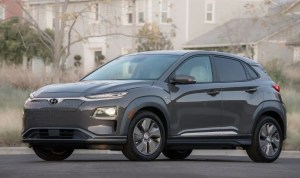
A budget friendly electric car Hyundai Kona Electric

So now let us discuss about the Indian market scenario of electric vehicles. The Indian electric automobile market is expected to witness a robust growth of 43.13% during the period from 2019-2030. Additionally with the entry of local battery manufacturers like TATA Chemical and BHEL the electric vehicle battery market is expected to grow 60.15% in year 2019-2030. The government is also providing subsidies to the consumer on purchase of electric vehicles to reduce the amount of pollution from the atmosphere. But the main field where the Indian manufacturers are lagging behind is there design aspect of the vehicle. But the Indian electric vehicles are way .ore cheaper than the vehicles manufactured by international brands. The major electric vehicle manufacturers are Mahindra and Mahindra, TATA Motors, Ather Energy, Bajaj etc.

Here are few images of electric vehicles manufactured by Indian manufacturers.

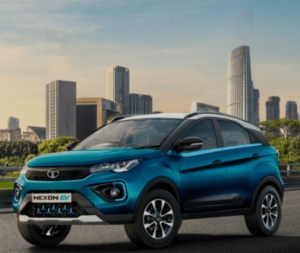
This is the TATA Nexon ev
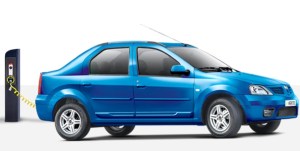
This is the Mahindra eVerito
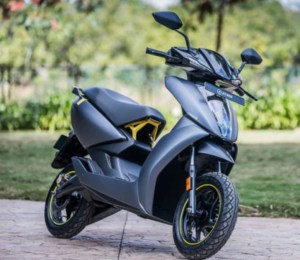
This is the all new Ather Energy 450X

But the entire automotive industry is badly hit by the trade war between China and USA and by the global pandemic created by the Covid-19 Coronavirus.

So atlast I would like to conclude by saying that the electric vehicle market is on it’s developing stage and a huge growth is on it’s way for the entire electric vehicle market in India as well as internationally. And if the Indian manufacturers start improving there designs no one can stop them from rulling the electric vehicle market.

Do you agree?

What other ideas can you add to this that I may not have mentioned?

If you enjoyed this blog post, share it with a friend!

What kinds of content would you like to see on the blog?
CURRENT SCENARIO OF THE AUTOMOTIVE WORLD

The automotive market is expected to have a steady growth globally over the period of 2019-2025. The automobile industry plays a very vital role in the GDP of a country. It even acts as the backbone of the GDP of many countries.

In the current times when there is a danger of global warming due to the increase in pollution levels in the atmosphere majority of the automobile manufacturers have come up with electric vehicles. This electric vehicles will result in the decrease of pollution levels in the atmosphere resulting in the decrease of global warming. The government is also helping the automobile manufacturers to make electric vehicles and the buyers by providing various subsidies to help in reduction of pollution that is released by the conventional vehicles.

The major keyplayers in the field of electric vehicles are Mahindra and Mahindra, BMW, Audi, Tesla, Peugeot, Kia, Hyundai, Honda etc.

However, the entire automotive industry faced a backlash when the government made it compulsory to use BS6 engines instead of BS4 engine in all the cars and gave deadline of April 1st 2020. There was another backlash faced by the automotive industry due to the trade war thet was created between two super powers that are China and USA. And currently the situations have worsened due to rise of a pandemic known as Covid-19. Due to this pandemic most of parts of the world are locked down. And this has resulted in no production of vehicles in the indutries. And until the situation is under control the entire automotive industry will remain closed.

So atlast I would like to conclude by saying that there will be a steady growth in the automotive market in the coming years. But due to the above mentioned factors the automotive industry has faced a backlash. When the situation is under control there will be growth in the automotive market.

Do you agree?

What other ideas can you add to this that I may not have mentioned?

If you enjoyed this blog post, share it with a friend!

What kind of content would you like to see more on this blog?